There has never been a golden age in which everything placed before a court could safely be believed. Witnesses lie, memories deteriorate, documents are forged and photographs have been manipulated almost since photography began. Artificial intelligence does not invent the problem of false evidence. What it changes is the ease with which convincing false material can be created, the range of material which can be altered and the assumptions which lawyers have developed about digital evidence during the last thirty years.
For most of my professional life a photograph at least began with somebody pointing a camera at something. A recording began with a microphone capturing a sound. An email generally began with an email being sent. None of those propositions established truth, but they provided a real-world event which could be investigated. Generative AI weakens that starting assumption. A photograph can now depict an event which never occurred; a voice can say words which were never spoken; a video can show a person who was never present; a document can acquire a plausible appearance without having the history which its appearance implies.
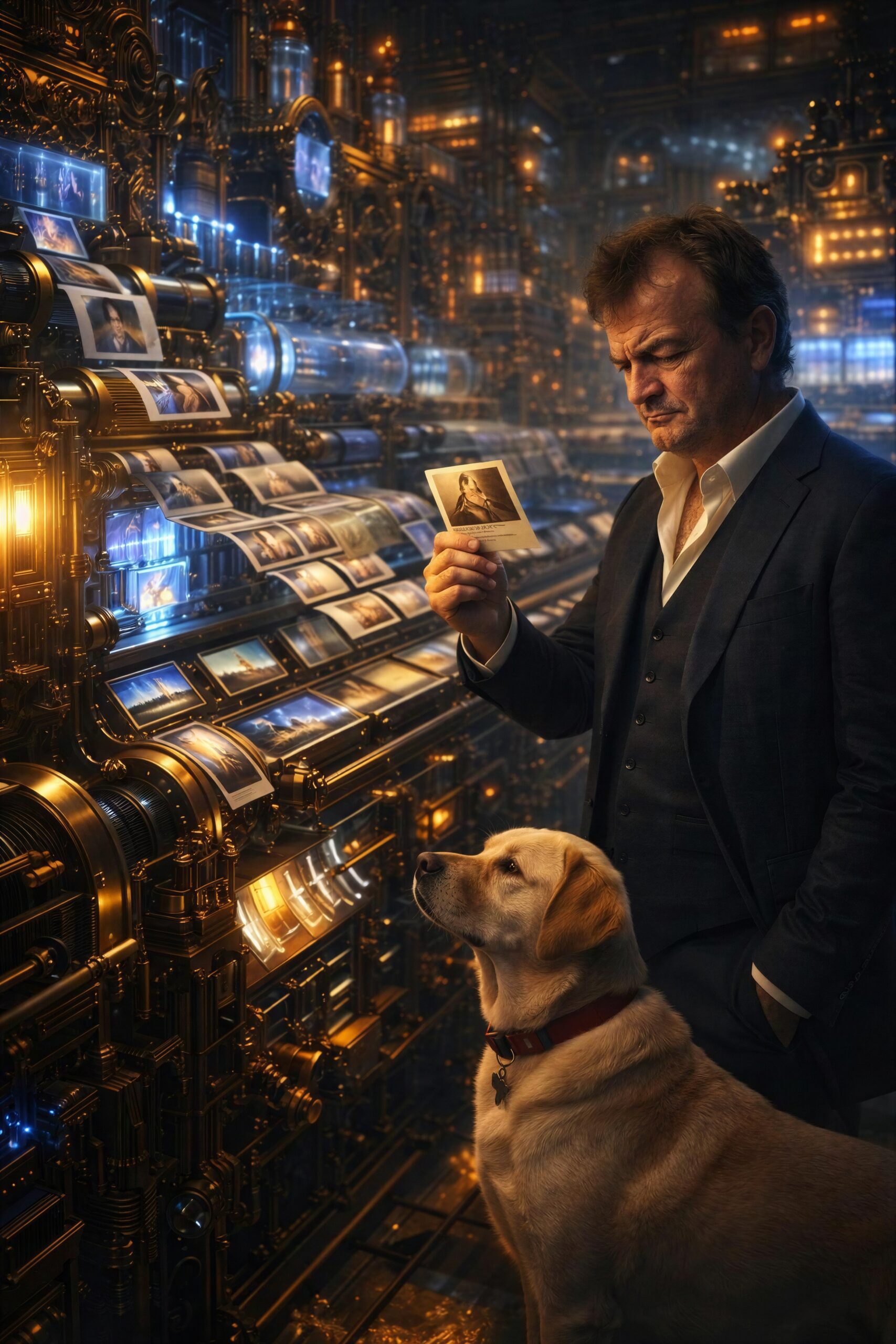
The first problem is therefore synthetic evidence itself. This may be wholly generated material, but the more difficult cases may involve partial alteration. The photograph is genuine except for the person added to it. The recording is genuine except for the sentence which has been inserted. The document existed, but one clause has been changed. A crude fake invites suspicion. A small alteration to otherwise genuine material may be much harder to see.
The second problem is AI-assisted preparation of genuine evidence. There is nothing inherently improper about using software to organise material. A chronology prepared from disclosed documents may be extremely useful. A machine may compare witness statements, identify conflicting dates or summarise a large file. The danger arises when the summary becomes detached from its source. If the machine has quietly supplied a missing link, converted an ambiguity into certainty or smoothed two inconsistent accounts into one coherent narrative, the resulting document may be more readable and less true.
The third problem is more corrosive. Once everybody knows that convincing material can be fabricated, genuine evidence becomes easier to deny. A party confronted with an inconvenient recording can simply say that it may be synthetic. This has sometimes been called the liar’s dividend: the technology benefits not only the person who manufactures false evidence, but the person who wishes to cast doubt on genuine evidence. Courts may therefore find themselves dealing not merely with more fakes, but with more disputes about authenticity.
The answer cannot be a general assumption that digital evidence is unreliable. Modern digital systems often preserve a great deal of information about a document’s history. Native files, metadata, server records, version histories, device records and other sources may reveal where something came from and what happened to it. The practical shift is from trusting appearance alone towards examining provenance. A screenshot which looks exactly like an email proves rather less than many people instinctively suppose. The email system behind it may prove considerably more.
Technical tools will help, but they will not restore certainty by producing a convenient percentage on a screen. Detection systems themselves make mistakes. Metadata can disappear for innocent reasons. Files are converted, compressed, cropped and exported in ordinary business. The relevant question is usually narrower than “is this AI?”. Has this image been altered? Did this file exist at the date claimed? Did this recording come from the device said to have made it? Is the disputed passage present in earlier versions? The question determines the evidence required to answer it.
Lawyers will therefore need to become more interested in the history of important digital evidence. Preserve the original where possible. Obtain the best available source. Establish where it came from, how it travelled and what happened to it. Where the point matters, ask the right forensic question rather than commissioning an “AI expert” in the abstract.
Artificial intelligence does not mean that nothing can be trusted. It means that increasingly important digital evidence may have to earn trust through its history as well as through its appearance. That is a less dramatic proposition than announcing the death of truth, but it is considerably more useful in a courtroom.
Andrew and the Marvellous Analytical Engine — Second Edition
A Practical AI Primer for Lawyers. The second edition considers artificial intelligence from its historical foundations through to legal research, drafting, litigation, regulation, confidentiality, evidence and the changing role of the lawyer.